
aespa+ZICO+Stray Kids

There’s a particular speed to cruelty online. A comment, a clip, a slur — it travels before anyone has time to picture a face behind the words. That speed isn’t a glitch; it’s the whole design. Hate works by subtraction. It takes a person and files away everything specific about them — their name, their morning, the song stuck in their head — until only a label is left. A gender. A nationality. A category you’re allowed to despise precisely because you never had to imagine it breathing.
I wanted to start this blog at the exact opposite of that. Not with an argument against hate — arguments rarely change anyone — but with the thing that’s been quietly undoing it in my headphones for years. Because the music I love keeps insisting on the reverse of subtraction. In different voices, different styles, different years, K-pop says one small and radical thing over and over: the distance between you and me is thinner than you’ve been told.
And it says it in a way built to cross borders. Listen to enough of these songs and you notice the core idea is almost always handed to the world through an English hook — a line dropped in the middle of the Korean so that someone in São Paulo or Berlin can catch the meaning before the translation even loads. That reaching-across is easy to dismiss as a marketing move. I’ve come to think it’s the opposite. The hook thrown to a stranger who doesn’t share your language is the message, performed in the shape of the song.
Here are three of them. Three songs, one idea — and an order, because the idea moves.
The Mask — aespa, “I’m Unhappy” (2023)
Before two people can be “the same,” somebody has to take the mask off.
“I’m Unhappy” is that confession. It lives in the gap between the feed — everyone curated, glowing, effortless — and the person behind the screen who feels like the only one logged out of all that happiness. The song doesn’t rage; it admits. It says the cheerful surface is a performance, and underneath it is someone tired of performing.
I think this is the honest place to begin, because empathy can’t reach a highlight reel. You can’t feel for a person who only ever shows you their best angle; you can only feel for one who lets the mask slip. And here’s the link that made me want to open with this song: the hate that flattens a stranger into a category and the loneliness that isolates us behind a perfect feed run on the very same lie — that the polished surface is the whole person. “I’m Unhappy” cracks that lie from the inside.
[ EMBED ] aespa, “I’m Unhappy”
The Reach — Zico, “사람 (Human)” (2019)
Once the mask is off, the song reaches across the gap.
Zico’s “사람” doesn’t pretend the ache isn’t there. It sits with it — the lowered head, the sky you haven’t looked at in too long — and then it turns the ache outward. Its hook circles one plain claim, delivered in English so no one can miss it: that we are, every one of us, the same kind of creature, carrying the same need to be loved. It stops asking why am I like this? and starts asking are you okay too?
That shift is the hinge of this whole piece. It’s the moment private pain stops being a wall and becomes a bridge — the discovery that the thing you were most ashamed to feel alone is the thing you have most in common with everyone else. Where aespa admits the surface is a lie, Zico reaches through the crack and finds a hand on the other side.
And then there’s the title. 사람.
The Collapse — Stray Kids, “I am YOU” (2018)
And then the line disappears.
“I am YOU” was the song Stray Kids chose to close their first chapter — the last panel of a trilogy that spent a whole year asking who am I? and landed, finally, on you. It takes the reach of a song like “사람” and pushes it all the way to identity: I look at you closely enough that I find myself looking back.
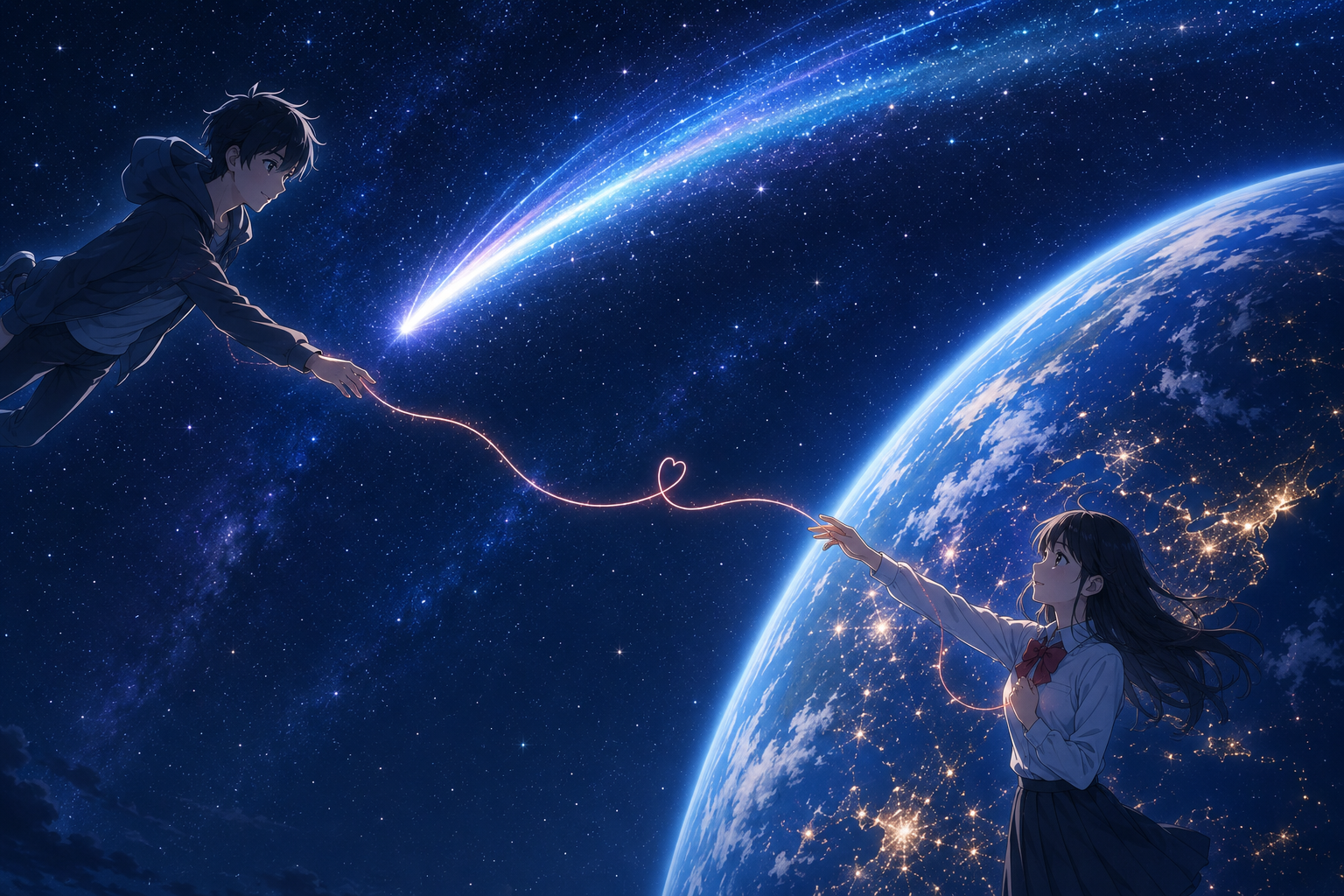
Here’s the part that floored me, and the reason I built the whole post toward it. The message does the work by itself. Nine young men sing it, but “I am you” doesn’t belong to a gender, a face, or a passport. It’s an equation — and an equation doesn’t care who stands on either side. A grieving stranger can say it. A person you were taught to fear can say it. You can say it about someone you were never supposed to like. Every mark we use to sort each other into “us” and “them” goes soft the moment the line is spoken — not argued away, just made irrelevant for the length of a chorus.
That is hate’s subtraction run exactly backwards. Instead of filing a person down to a label, the song folds the label back into a person. A stage makes this almost literal: watch the choreography lock into one shape across nine bodies, and the “we move as one” feeling stops being a metaphor.
Louder Than Hate
Mask, then reach, then collapse. A confession that the surface is a lie. A hand extended across the gap. A line erased. Played in that order, these aren’t three songs — they’re one argument about what it costs to see another person fully, and about how music can carry us part of the way there when nothing we say to each other will.
None of this cures hate on contact. Empathy isn’t a switch you flip; it’s a muscle, and muscles only grow from use. But that’s exactly what this music is for me — an unlikely, oddly effective gym for the heart, a place where caring about someone unlike you, in a language you may not even speak, becomes the whole point almost by accident. That’s why I’m writing in English, too. Not to translate the feeling away, but to widen the room.
So that’s where we begin: voicing out, together. If a song has ever said I am you to you — in any language — I want to hear it. That’s where we go next.


Leave a Reply